What to Consider Before Installing a Completely New Roof
Installing a completely new roof is a significant improvement that can affect a property’s protection, energy efficiency and overall condition for many years. While replacing damaged tiles or repairing a small leak may be sufficient in some situations, an ageing or extensively deteriorated roof may benefit from a full replacement.
Before starting the work, it is important to understand the condition of the existing roof, choose suitable materials and consider how the new structure will perform over time. For property owners in Wellingborough, Northamptonshire, careful planning helps ensure that the replacement meets the practical needs of the building. TVB Roofing Wellingborough can assess your existing roof and help you understand the options available.
Key Factors to Consider Before a Roof Replacement
Assessing the Condition of the Existing Roof
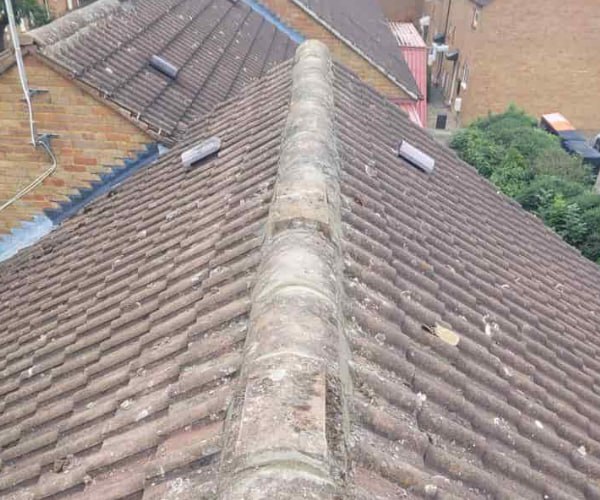
The first step is establishing whether a completely new roof is necessary. Persistent leaks, widespread tile damage, deteriorating roof coverings and recurring structural concerns can indicate that the existing roof is nearing the end of its serviceable life.
An inspection should consider more than the visible surface. Underlying components, including roof battens, felt or membrane, flashing and supporting timbers, may also have deteriorated. Identifying these issues before installation helps determine the full extent of the work required.
A professional assessment can also establish whether targeted repairs remain a suitable option or whether replacing the roof would provide a more dependable long-term solution.
Choosing Appropriate Roofing Materials
The choice of roofing material affects the appearance, performance and maintenance requirements of the finished roof. Common options include clay tiles, concrete tiles and natural slate, each offering different characteristics.
Clay tiles can provide a traditional appearance, while concrete tiles are available in various shapes and finishes. Natural slate is valued for its distinctive appearance and durability when correctly specified and installed.
The most suitable material will depend on the property’s design, roof structure, pitch and existing construction. It is important to select a covering that is compatible with the building rather than choosing solely on appearance.
Checking the Roof Structure and Supporting Timbers
A new roof covering needs a sound supporting structure. Before installation, the condition of rafters, trusses and other structural timbers should be assessed.
Signs of concern can include timber decay, dampness, sagging sections and evidence of previous water penetration. If these problems are present, they should be addressed as part of the replacement work.
Installing new tiles over weakened or damaged components will not resolve the underlying issue. A thorough assessment helps ensure that the roof has the support needed to perform properly.
Considering Roof Ventilation and Insulation
Ventilation and insulation are important elements of a well-performing roof. Poor ventilation can allow moisture to accumulate within the roof space, potentially contributing to condensation and timber deterioration.
A replacement project provides an opportunity to review the existing ventilation arrangements and insulation condition. Suitable airflow helps manage moisture, while effective insulation can reduce unnecessary heat loss through the roof.
These elements should be considered together to ensure that the new roof supports a comfortable and well-maintained property.
Reviewing Flashing, Gutters and Roof Details
A new roof involves more than replacing the main covering. Details around chimneys, roof valleys, abutments, skylights and other junctions must also be considered.
Flashing helps prevent water from entering vulnerable connections, while properly functioning gutters and downpipes direct rainwater away from the building. Defective details can undermine an otherwise well-installed roof.
Including these components in the assessment helps create a more complete replacement and reduces the risk of overlooking potential sources of water ingress.
Planning the Installation Carefully
A roof replacement requires coordination and attention to detail. The work should be planned around the building’s layout, roof design and the condition of the existing materials.
It is also important to establish which components need replacing and whether any parts of the existing structure can remain. Clear planning helps avoid unnecessary disruption and ensures that important stages, such as preparing the roof structure and installing the protective layers, are completed properly.
Why Professional Roofing Advice Matters
Choosing the right approach can be difficult without understanding how the different parts of a roof work together. An experienced roofing contractor can inspect the existing structure, identify areas of concern and recommend suitable materials and installation methods.
TVB Roofing Wellingborough provides roofing services for property owners in Wellingborough, Northamptonshire. Whether your roof has widespread deterioration or you are planning a complete replacement, professional guidance can help you make informed decisions about the work required.
Conclusion
Installing a completely new roof involves several important considerations, from assessing the existing structure and choosing suitable materials to reviewing ventilation, insulation and drainage details. Taking the time to plan these elements helps create a roof that offers reliable protection and performs effectively over the long term.
If your property needs a new roof, contact TVB Roofing Wellingborough to discuss your requirements and arrange a professional assessment in Wellingborough, Northamptonshire.
Call us on: 01933 823 227
Click here to find out more about TVB Roofing Wellingborough
Click here to complete our contact form and see how we can help with your roofing needs.